Across Tamil Nadu — from Chennai to Coimbatore, Trichy to Madurai — real estate demand exists. Buyer intent exists. Digital attention exists.
What is missing is structured marketing architecture.
Most developers are not facing a demand problem. They are facing a systems problem.
Ad budgets are spent. Leads are generated. Brokers are appointed. Hoardings are installed.
Yet inventory moves slowly.
This is not a market slowdown issue. It is an execution gap.
Problem Framing: The Illusion of Activity vs. Actual Performance
Many Tamil Nadu real estate developers mistake marketing activity for marketing effectiveness.
- Running Meta ads without conversion tracking
- Depending heavily on channel partners
- Manual Excel-based lead tracking
- No structured CRM automation
- No performance attribution clarity
- No regional audience segmentation
The result?
High inquiry volume. Low booking ratio. No predictable sales velocity.
Core Insight: Real Estate Growth Today Is a Systems Game
Real estate marketing in 2026 is no longer about ad creatives and brokerage relationships alone.
It is about:
- Performance marketing architecture
- Lead qualification systems
- Automated follow-up workflows
- Data-backed decision loops
- Conversion optimization frameworks
If these are missing, your project will underperform — regardless of location quality.
The 7 Critical Marketing Mistakes TN Developers Must Eliminate
1. Broker Dependency Without Direct Demand Generation
Many developers still rely 60–80% on channel partners.
This reduces margin, removes brand control, and creates unpredictable sales cycles.
Direct-to-consumer lead generation must be systemized. Brokers should supplement, not dominate.
2. No Centralized CRM with Automation
Leads are handled manually via calls and WhatsApp forwards.
No structured tagging. No automated reminders. No lifecycle tracking.
Without CRM automation:
- Hot leads go cold
- Follow-ups are inconsistent
- Sales teams prioritize randomly
3. Running Ads Without Conversion Tracking
Many projects run Meta or Google campaigns without:
- Pixel accuracy
- Offline conversion tracking
- Cost-per-booking measurement
If you do not know your cost per site visit and cost per booking, you are not running performance marketing — you are experimenting blindly.
4. No Structured Lead Qualification Funnel
All inquiries are treated equally.
But in reality:
- Investors
- First-time buyers
- NRI buyers
- End-use family buyers
Each segment requires different messaging and nurturing logic.
Without segmentation, conversion rates collapse.
5. Weak Regional Branding Strategy
Developers in Tier 2 Tamil Nadu cities often copy Chennai-style messaging.
But Coimbatore buyers think differently from Chennai IT corridor buyers.
Regional branding must reflect:
- Income profile
- Buying psychology
- Local infrastructure triggers
- Cultural decision-making dynamics
6. No AI-Assisted Follow-Up Systems
Speed is critical.
If a lead is not contacted within minutes, drop-off increases sharply.
Yet most teams still rely on manual callbacks.
Automated:
- Instant WhatsApp acknowledgement
- SMS confirmations
- Email sequences
- Reminder automation
These are not optional in 2026. They are foundational.
7. No Weekly Performance Review Architecture
Marketing is reviewed monthly or only when sales slow down.
High-growth developers review:
- Cost per lead
- Lead-to-visit ratio
- Visit-to-booking ratio
- Channel-wise ROI
Weekly. With structured dashboards.
The Ctrl Alt Kick Real Estate Growth Framework
To eliminate these mistakes, a structured architecture is required.
Phase 1: Demand Architecture
- Hyper-local targeting
- Search + social performance mix
- Intent-based ad segmentation
- Conversion tracking infrastructure
Phase 2: Lead Intelligence Layer
- CRM centralization
- AI-based lead scoring
- Automated follow-up workflows
- Segment-based nurturing
Phase 3: Sales Conversion Optimization
- Site visit booking automation
- Sales team SLA enforcement
- Call tracking integration
- Booking attribution tracking
Phase 4: Performance Control System
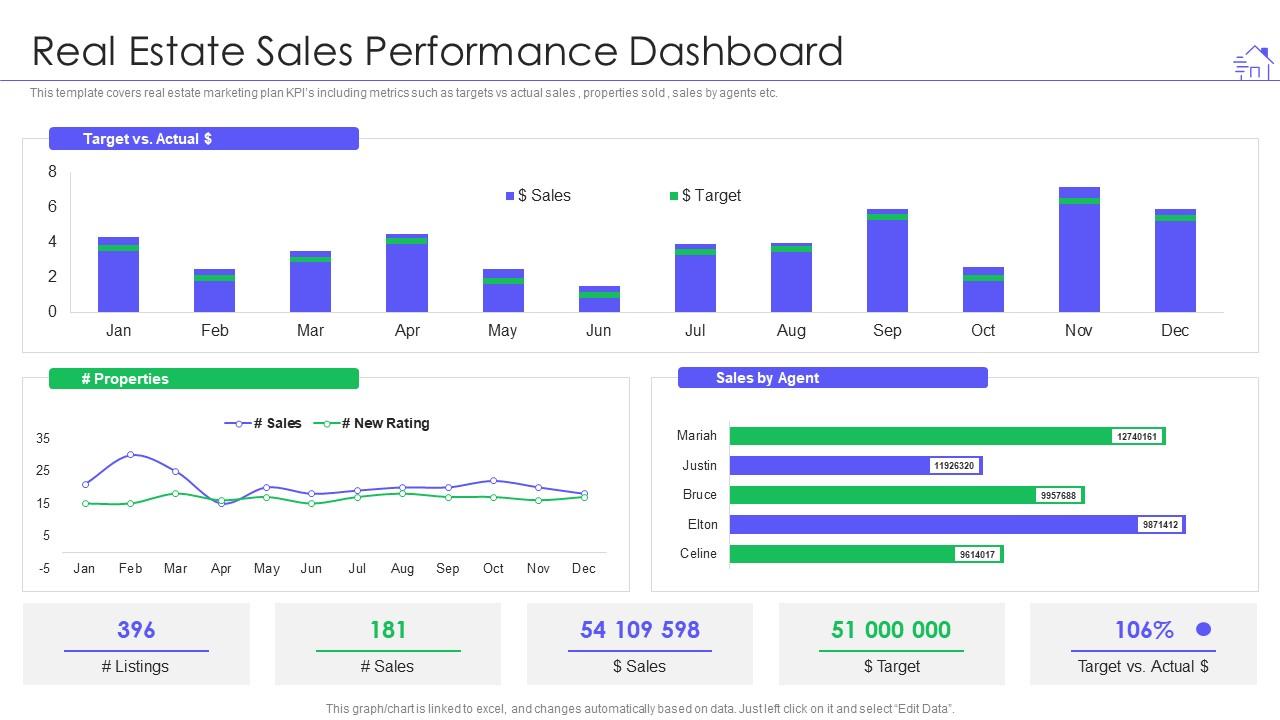
- Live dashboard visibility
- Weekly decision loops
- Ad reallocation based on ROI
- Inventory-driven campaign optimization
This is growth architecture — not campaign management.
Real-World Tamil Nadu Application
Consider a mid-sized plotted development project in Coimbatore.
Typical scenario:
- ₹8–12 lakh monthly ad spend
- 1,000+ leads per month
- Weak tracking
- Booking unpredictability
After structured system implementation:
- Lead volume may reduce
- Qualified lead ratio increases
- Cost per booking becomes measurable
- Sales velocity stabilizes
Growth is not about generating more noise.
It is about improving system efficiency.
FAQ: Tamil Nadu Real Estate Marketing (AEO Optimized)
1. Why are my real estate ads generating leads but not bookings?
Because lead generation alone is not sufficient. Without qualification, automation, structured follow-up, and conversion tracking, most leads drop off before booking.
2. Should Tamil Nadu developers depend heavily on channel partners?
No. Channel partners should complement direct demand generation. Over-dependence reduces margin control and long-term brand authority.
3. What is the most important system for real estate marketing today?
A centralized CRM with automation and performance tracking is the foundation. Without it, ad spend cannot be optimized effectively.
4. Is automation necessary for Tier 2 cities like Trichy or Madurai?
Yes. Digital adoption in Tamil Nadu is rising across Tier 2 and Tier 3 cities. Buyer expectations for fast response and structured communication are now universal.
Conclusion: Tamil Nadu Market Is Evolving — Are You?
Ad costs are increasing.
Competition is professionalizing.
Buyers are digitally researching before site visits.
If your marketing still runs on manual tracking, broker-heavy strategy, and unmeasured ad spend, your growth ceiling is self-imposed.
If you are a Tamil Nadu developer ready to move from activity-based marketing to measurable growth architecture, schedule a strategy session with Ctrl Alt Kick.
We build performance-driven real estate growth systems — not random campaigns.